How to Play Mexican Ninja
Die, get hauled away, spend coins on the donkey tree, and come back louder.
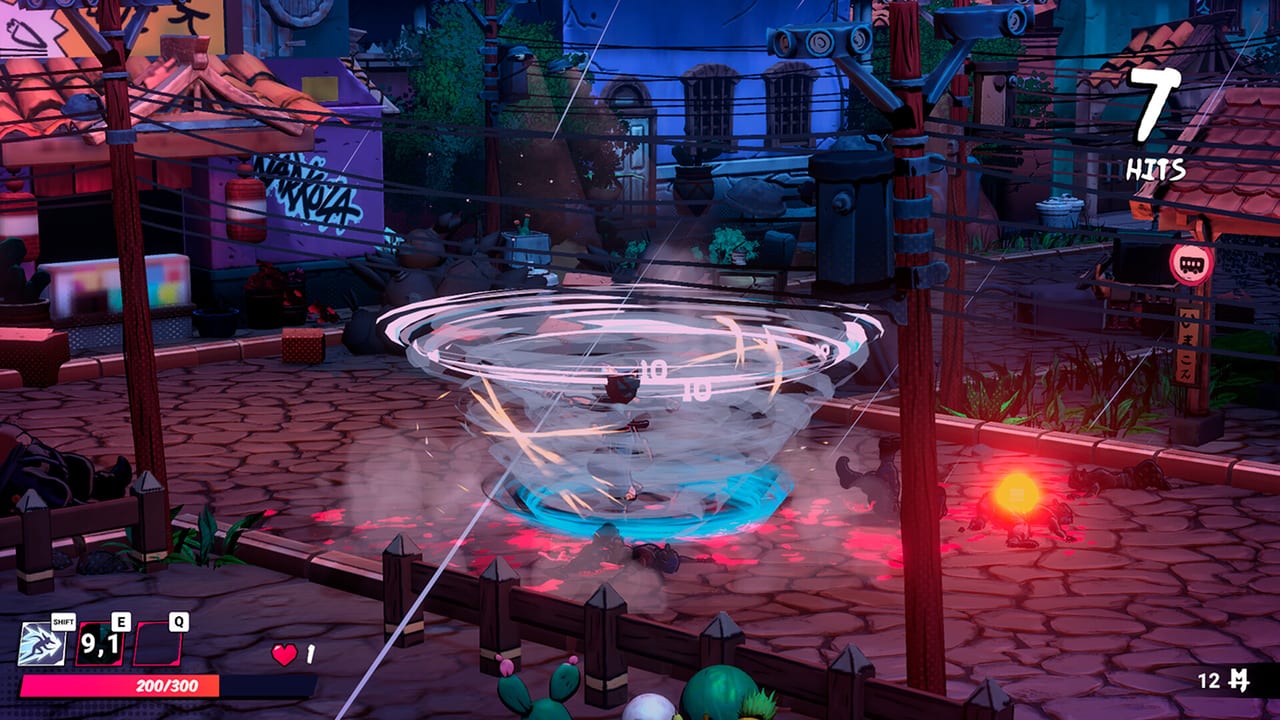
Mexican Ninja is a pick-up-and-play 2.5D brawler with a roguelike wallet. You smash through Nuevo Tokyo, collect coins, pick temporary powers, and eventually eat a hit you cannot afford. A garbage truck takes the body. That is not a joke screen — it is the hub return. El Mero Mero Sensei waits in the junkyard energy of the between-run space and sells permanent nodes on the Way of the Donkey. If you treat that visit like a skippable cutscene, every later guide on this wiki will feel like homework.
This page is the first-hour loop. Pair it with controls before you blame the game for a bad bind, and with combat before you blame the Jutsu shop for a wipe you caused by mashing.
What you are actually doing
You are a rebel on the outskirts of Nuevo Tokyo. Narcos and Yakuza fused into the Narkuzas, five clan heads run the city, and your job is to cut a path to those heads one randomized run at a time. The fantasy is loud: sombrero, katana, Mexican Jutsus, Mexican-Japanese spirits. The systems are ordinary in a good way:
- Light and heavy attacks, jump, dash, a universal parry, two equipped specials.
- Street packs, Chunks (fat bruisers), breakable objects for health and coins, then a lord.
- A score at the end of a run based on enemies, Chunks, earnings, and your best combo.
You do not need the walkthrough on run one. You need to survive long enough to buy a node.
First session checklist
- Pick input and stay there. Pad is the intended feel for most players; Steam still lists keyboard-only. See controls.
- Play the tutorial like it matters. Demo updates rebuilt the intro so it ends on a hype beat. Do not skip the parry prompt.
- Break scenery on purpose. Health and coin snacks hide in the city. A clean street with full HP is better than a stylish empty stomach.
- Prioritize Chunks. Large enemies punch harder and soak hits. Leaving them in a pack is how you get belly-bumped into a wall.
- Spend coins immediately after death. Survivability and extra combat tools beat cosmetic swagger until the tree has a foundation. Details: Way of the Donkey.
- Equip two Jutsus that do different jobs. Crowd clear plus a boss button, not two overlapping fireworks. See Jutsus and the build planner.
Temporary loot versus permanent donkey
This is the rule that saves hours:
During a run you pick blessings, passives, death charms, hangover and burn effects, movement bursts, and Jutsu upgrades. Demo footage shows examples like hangover on heavies, airborne burn chance, fire-trail sprints, levitation slams, and screen-knock bursts. Those rolls are the spice. They reset when you die.
Between runs you buy Way of the Donkey nodes from El Mero Mero Sensei. Those stay. That is why a second run should feel slightly less pathetic even if the path RNG is mean.
If a Steam comment says the meta is slow, they are describing this coin trickle. It is real. Do not wait for a “perfect” shop. Buy the boring HP and damage nodes first. Outfits with real perks exist — outfits — but they mostly come from side quests, not from hoarding coins. The panda still wants parry: bosses. Madbricks wagered about 8 hours for a first clear if you actually play this loop — how long to beat.
How to read a reward screen
A typical mid-run choice is three cards. Ask one question: does this help me live through the next pack, or only look funny on a clip? Early on, max HP, on-kill heal chances, and combo-scaling damage beat a meme that hurts you as much as the enemy. Curse-on-everyone effects are for players who already know the combat page by heart.
When two cards are both “fine,” pick the one that matches your equipped Jutsus. A fire-trail dash wants burn payoffs. A slam wants airborne kill bonuses. The run items page lists the families (blessings, charms, hangover, burn) without pretending we have a datamined complete list on day two of launch.
Demo versus full release
A lot of YouTube still shows the Steam demo. The demo taught the loop, added Red District content, and rebuilt the panda. The full game, launched August 20, 2026, is the version you should buy if the combat clicked. Read demo notes so you do not chase a “not yet unlocked” skill-tree branch that was a demo placeholder, and launch notes for platforms and price.
If you are still on the fence, play the free demo, then read the review. This getting-started page assumes you already own the game or will in the next hour.
What “good” looks like after three deaths
You are on track if:
- Dash and parry are not the same panic button.
- You can name your two Jutsus without opening the menu mid-fight.
- You spent coins instead of staring at the tree.
- You know the next lord is coming regardless of which alley you picked — that is the walkthrough lesson.
You are off track if you are still changing keybinds every run, stacking two identical area Jutsus, or skipping Sensei to “save for later.” Later is the next garbage truck.
Next reads
- Controls — pad and keyboard.
- Combat — parry and juggles.
- Best builds — after you have a few nodes.
- System requirements — if the frame time feels like the real boss.
Frequently Asked Questions
Quick answers to the most common questions.
How do you play Mexican Ninja if you have never touched a beat-em-up?
Learn light, heavy, jump, dash, and parry on the Controls page, then play one run with the goal of spending coins at El Mero Mero Sensei. Do not start with a boss guide.
What happens when you die?
A garbage truck hauls you back to the between-run hub. Temporary blessings and most run picks vanish. Coins spent on Way of the Donkey stay. Then you start another run.
Should I play the demo or the full game to learn?
The demo is still a valid tutor for combat feel. Buy the August 20, 2026 release if you want the full lord path, extra districts, and launch tuning. Demo notes on this wiki mark what changed.
Is there co-op for learning with a friend?
No. Mexican Ninja is single-player only. Teach yourself on one pad, then send the friend the Getting Started link.